Articles

When Is Erectile Dysfunction Caused by Life Stress?
تعد ضغوطات الحياة الحديثة، بمتطلباتها المتسارعة وتحدياتها اليومية، من أبرز العوامل المؤثرة على الصحة العامة للإنسان، ولا سيما الصحة الجنسية. لا يقتصر تأثير التوتر والإرهاق العقلي على الحالة المزاجية فحسب، بل يمتد ليؤثر بشكل فسيولوجي مباشر على وظائف الجسم المختلفة. في كثير من الأحيان، يتم تشخيص الضعف الجنسي بسبب الضغوط النفسية كحالة طبية شائعة، حيث تعيق الأعباء الذهنية والقلق المستمر قدرة الجسم على إتمام الاستجابة الجنسية الطبيعية.تعتبر العملية الجنسية عملية معقدة تتطلب توافقًا وتناغمًا دقيقًا بين الدماغ، الهرمونات، الأعصاب، والأوعية الدموية. وعندما يتدخل التوتر المزمن، يحدث خلل في هذا التناغم، مما يؤدي إلى ما يُعرف طبيًا بضعف الانتصاب النفسي. يهدف هذا الدليل الطبي إلى تفكيك العلاقة المعقدة بين الإجهاد والوظيفة الجنسية، وتوضيح العلامات الفارقة التي تؤكد أن المسبب الرئيسي للحالة هو التوتر وليس خللًا عضويًا، مع استعراض شامل لخيارات التعامل والعلاج.المصدر: American Psychological Association (APA) - Stress effects on the bodyاقرأ ايضا : الفرق بين الضعف الجنسي النفسي والعضوي كيف تؤثر ضغوط الحياة على الوظيفة الجنسية؟إن فهم الإجهاد وتأثيره على الانتصاب يتطلب النظر إلى الاستجابة البيولوجية للجسم تجاه الخطر أو الضغط، وهي الاستجابة المعروفة طبيًا بـ "الكر والفر" (Fight or Flight).دور هرمونات التوترعند التعرض للضغط النفسي، يقوم الدماغ (تحديدًا اللوزة الدماغية ومنطقة ما تحت المهاد) بإرسال إشارات لتحفيز الجهاز العصبي الودي. ينتج عن ذلك إفراز هرمونات التوتر في مجرى الدم للتعامل مع "التهديد" المتمثل في ضغوطات الحياة.تأثير الكورتيزول والأدرينالينيؤدي الارتفاع المستمر في مستويات الكورتيزول والأدرينالين (الإبينفرين) إلى تأثيرات فسيولوجية تعاكس تمامًا ما تتطلبه العملية الجنسية:انقباض الأوعية الدموية: يعمل الأدرينالين على تضييق الأوعية الدموية في الأطراف (بما في ذلك الأعضاء التناسلية) لتوجيه الدم نحو العضلات الكبيرة والقلب. هذا التضييق يمنع التدفق الدموي الكافي اللازم لحدوث الانتصاب والحفاظ عليه.تثبيط الجهاز العصبي اللاودي: الانتصاب يتطلب نشاط الجهاز العصبي اللاودي (المسؤول عن الاسترخاء والراحة). التوتر المستمر يبقي الجهاز العصبي الودي في حالة نشاط مفرط، مما يمنع حدوث الاسترخاء الوعائي المطلوب. تأثير الإجهاد على الرغبة والانتصابلا يقتصر الأمر على الميكانيكية الجسدية؛ فالإجهاد المزمن يؤدي إلى استنزاف النواقل العصبية المرتبطة بالشعور بالسعادة والمكافأة (مثل السيروتونين والدوبامين)، مما يؤدي إلى انخفاض حاد في الرغبة الجنسية (الليبيدو). عندما تغيب الرغبة، تصبح الاستجابة الجسدية (الانتصاب) أكثر صعوبة، مما يخلق حلقة مفرغة من الفشل والإحباط.المصدر: Harvard Health Publishing - Understanding the stress response ما أنواع الضغوط التي قد تسبب ضعفًا جنسيًا؟المصدر: Mayo Clinic - Erectile dysfunction: Psychological causesتتعدد مصادر ضغوط الحياة والضعف الجنسي، وقد لا يدرك الفرد أحيانًا أن ما يمر به من تفاصيل يومية يتراكم ليُحدث تأثيرًا عميقًا على صحته الإنجابية والجنسية. تشمل أبرز هذه الضغوط:ضغوط العمل: الإرهاق المهني (Burnout)، ساعات العمل الطويلة، الخوف من فقدان الوظيفة، والصراعات مع الزملاء أو الرؤساء تضع الدماغ في حالة تأهب دائم.المشكلات المالية: التفكير المستمر في الديون، الالتزامات المادية، وتأمين المستقبل يمثل أحد أقوى مسببات التوتر المزمن (Chronic Stress) الذي يستنزف الطاقة النفسية.الخلافات الزوجية: جودة العلاقة العاطفية والتواصل بين الشريكين هي الأساس. غياب التفاهم، كثرة النزاعات، أو الشعور بالاستياء والغضب المكبوت يقتل الانجذاب ويجعل الاستجابة الجنسية شبه مستحيلة.المسؤوليات الأسرية: الأعباء الناتجة عن تربية الأطفال، أو رعاية أفراد الأسرة المسنين، تترك مساحة زمنية ونفسية ضيقة جدًا للاهتمام بالاحتياجات الشخصية والزوجية.القلق بشأن الأداء الجنسي: الخوف المسبق من عدم القدرة على إرضاء الشريك، أو التفكير في تجارب فاشلة سابقة، يُفرز كميات هائلة من الأدرينالين لحظة اللقاء الجنسي، مما يسبب ارتخاءً فوريًا. متى يكون الضعف الجنسي ناتجًا عن ضغوطات الحياة؟المصدر: Cleveland Clinic - Psychological Erectile Dysfunctionللتمييز بين المشكلة العضوية والنفسية، هناك مؤشرات سريرية هامة تساعد في تحديد ما إذا كان المريض يعاني من ضعف الانتصاب النفسي:ظهور الأعراض بعد فترة من التوتر: إذا بدأت المشكلة بشكل مفاجئ بالتزامن مع أزمة مالية، فقدان عزيز، أو تغيير جذري في بيئة العمل، فمن المرجح جدًا أن يكون السبب نفسيًا.حدوث المشكلة بشكل متقطع: المريض العضوي يعاني من المشكلة بشكل شبه دائم ومستمر، بينما في الحالات النفسية، قد يكون الأداء ممتازًا في بعض الأيام وضعيفًا في أيام أخرى.استمرار الانتصاب الصباحي: يعتبر حدوث انتصاب طبيعي عند الاستيقاظ من النوم أو أثناء الليل الدليل الطبي الأقوى على سلامة الأعصاب، الأوعية الدموية، والهرمونات. وجوده ينفي بنسبة كبيرة الأسباب العضوية.اختلاف الأداء حسب الحالة النفسية أو الشريك: القدرة على الانتصاب بشكل طبيعي عند ممارسة العادة السرية أو في ظل ظروف استرخاء تامة، وفقدان هذه القدرة فقط أثناء العلاقة الزوجية، يؤكد دور العامل النفسي.تحسن الأعراض عند زوال الضغوط: استعادة القدرة الجنسية الطبيعية أثناء العطلات أو بعد تجاوز أزمة معينة تعتبر علامة تشخيصية فاصلة. علامات تشير إلى أن السبب نفسي أكثر من كونه عضويًاالمصدر: NHS (National Health Service) - Erectile dysfunction (impotence)لتلخيص الفروق الدقيقة، يعتمد التقييم الطبي على مقارنة نمط حدوث المشكلة. يوضح الجدول التالي أبرز الفروق التي يبحث عنها المتخصصون:الوجه المقارن | الضعف الجنسي النفسي (بسبب التوتر) | الضعف الجنسي العضوي (بسبب أمراض جسدية)بداية المشكلة (Onset) | مفاجئة وعادة ترتبط بحدث أو ضغط معين. | تدريجية وتزداد سوءًا بمرور الأشهر والسنوات.الانتصاب الصباحي أو الليلي | طبيعي وموجود بانتظام. | ضعيف جدًا أو غائب تمامًا.التأثر بالمواقف (Situational) | يحدث في مواقف معينة ويختفي في أخرى. | مستمر في جميع المواقف (مع الشريك أو منفرداً).الاستجابة لتقليل التوتر | تتحسن الحالة ملحوظًا عند الراحة والاسترخاء. | لا تتأثر الحالة بالاسترخاء أو زوال الضغوط.التاريخ المرضي والأدوية | لا توجد أمراض مزمنة أو أدوية تؤثر على الأداء. | وجود عوامل خطر (سكري، ضغط، أمراض قلب).ارتباط المشكلة بالرغبة | غالبًا ما يصاحبه انخفاض في الرغبة الجنسية بسبب الإرهاق. | قد تظل الرغبة طبيعية لكن الجسد لا يستجيب.متى لا تكون الضغوط هي السبب الوحيد؟المصدر: National Institute of Diabetes and Digestive and Kidney Diseases (NIDDK) - Symptoms & Causes of Erectile Dysfunctionعلى الرغم من الدور الكبير الذي يلعبه التوتر، إلا أنه لا ينبغي إغفال احتمالية وجود تداخل بين الأسباب العضوية والنفسية. في كثير من الأحيان، يبدأ الضعف كحالة عضوية خفيفة، ثم يتفاقم بسبب القلق. من أهم الحالات الطبية التي يجب استبعادها:مرض السكري: يؤدي ارتفاع سكر الدم المزمن إلى تلف الأعصاب الدقيقة والأوعية الدموية المغذية للعضو الذكري.أمراض القلب والأوعية الدموية: تصلب الشرايين وارتفاع ضغط الدم يقللان من تدفق الدم، وغالبًا ما يكون الضعف الجنسي مؤشرًا مبكرًا لمشاكل قلبية خفية.انخفاض هرمون التستوستيرون: قصور الغدد التناسلية يؤدي إلى انخفاض الرغبة الجنسية وضعف في الأداء جسديًا.تأثير بعض الأدوية: أدوية الاكتئاب، أدوية ضغط الدم، ومضادات الهيستامين من أشهر المجموعات الدوائية التي تسبب آثارًا جانبية تشمل الضعف الجنسي. كيف يخلق التوتر دائرة مغلقة من الضعف الجنسي؟المصدر: National Institute of Mental Health (NIMH) - Anxiety Disordersأحد أهم جوانب فهم العلاقة بين التوتر والضعف الجنسي هو إدراك ما يُعرف بـ "الدائرة المفرغة للقلق". تبدأ هذه الدائرة عادة بحدث عابر يتسبب في عدم القدرة على إتمام العلاقة بنجاح بسبب إرهاق أو ضغط مؤقت.القلق من الفشل (Performance Anxiety): بعد التجربة الأولى غير الناجحة، يبدأ العقل في مراقبة الأداء في المرة القادمة بدلًا من الاستمتاع باللحظة.تكرار التجربة السلبية: المراقبة الذاتية تفعل الجهاز العصبي الودي، تفرز الأدرينالين، وتؤدي إلى فقدان الانتصاب مرة أخرى.انخفاض الثقة بالنفس: يشعر الفرد بالنقص والإحباط، ويتجنب اللقاءات الحميمية خوفًا من الإحراج.زيادة المشكلة مع الوقت: هذا التجنب والقلق المستمر يؤديان إلى تحول المشكلة من ضعف عابر بسبب الإجهاد إلى حالة من الضعف الجنسي النفسي المستقر التي تتطلب تدخلًا متخصصًا لكسر هذه الدائرة. كيف يتم تشخيص الحالة؟المصدر: Mayo Clinic - Erectile dysfunction: Diagnosis and treatmentيعتمد التقييم الطبي الصحيح على نهج شامل يستبعد الأسباب العضوية أولًا، ثم يؤكد وجود الأسباب النفسية للضعف الجنسي. يتم ذلك عبر الخطوات التالية:التاريخ المرضي الشامل: الاستماع الجيد للمريض للتعرف على توقيت ظهور المشكلة، طبيعة عمله، مستوى الضغوط في حياته، وجودة علاقته الزوجية.التقييم النفسي: توجيه أسئلة مخصصة لتقييم مستويات القلق، الاكتئاب، أو الإرهاق الذهني باستخدام استبيانات طبية معتمدة.الفحص السريري: فحص عام للقلب، النبض في الأطراف، واستبعاد أي تشوهات تشريحية.التحاليل والفحوصات اللازمة:قياس مستويات السكر في الدم (صائم وتراكمي).تحليل مستوى الدهون والكوليسترول.فحص الهرمونات، خاصة هرمون الذكورة (Testosterone) وهرمون الحليب (Prolactin) ووظائف الغدة الدرقية. طرق العلاج والتعامل مع ضغوط الحياةالمصدر: Harvard Health Publishing - Treating psychological erectile dysfunctionعلاج الضعف الجنسي بسبب الضغوط النفسية لا يقتصر على وصف الأدوية المنشطة، بل يركز على استعادة التوازن النفسي والجسدي وإزالة المسبب الرئيسي. تشمل استراتيجيات العلاج الفعالة:تحسين جودة النوم: النوم العميق من 7 إلى 8 ساعات يوميًا يعيد ضبط مستويات الكورتيزول ويساعد في تجديد مستويات هرمون التستوستيرون الطبيعية التي يتم إفرازها ليلاً.ممارسة الرياضة: التمارين الهوائية (الكارديو) تحسن تدفق الدم في كافة أنحاء الجسم، وتُفرز هرمون الإندورفين (هرمون السعادة) الذي يعمل كمضاد طبيعي للتوتر.تقنيات الاسترخاء: إدراج تمارين التنفس العميق، التأمل (Mindfulness)، واليوجا ضمن الروتين اليومي يساهم في تفعيل الجهاز العصبي اللاودي، مما يهيئ الجسم للاستجابة الجنسية.العلاج النفسي وتوجيه الأزواج (Couples Therapy): تحسين قنوات التواصل بين الشريكين، مناقشة المخاوف بانفتاح، وتقليل التوقعات غير الواقعية يخفف من حدة الضغط في غرف النوم.العلاج السلوكي المعرفي (CBT): أثبتت الدراسات فعاليته الكبيرة في تعديل الأفكار السلبية المتعلقة بالأداء الجنسي، ومساعدة الدماغ على فك الارتباط بين العلاقة الزوجية ومشاعر القلق والخوف من الفشل.علاج الأمراض المصاحبة: إذا تبين وجود اكتئاب أو قلق مرضي (Anxiety Disorder)، قد يتم اللجوء لأدوية موصوفة بعناية من قبل طبيب نفسي، مع مراعاة اختيار الأدوية الأقل تأثيرًا على الوظيفة الجنسية. كما يمكن استخدام الأدوية الداعمة للانتصاب (مثل مثبطات PDE5) بشكل مؤقت لكسر حاجز الخوف واستعادة الثقة بالنفس، تحت إشراف طبي مسبق. متى يجب زيارة الطبيب؟المصدر: Cleveland Clinic - When to see a doctor for Erectile Dysfunctionالوعي بالوقت المناسب لطلب المساعدة الطبية يقي من تفاقم الحالة وتأثيرها المدمر على جودة الحياة. يُنصح بتحديد موعد مع طبيب متخصص في المسالك البولية أو الصحة الجنسية في الحالات التالية:استمرار الأعراض: إذا تكررت صعوبة الحصول على انتصاب كافٍ لأكثر من 25% من محاولات العلاقة الزوجية لمدة تتجاوز 3 أشهر متواصلة.تدهور العلاقة الزوجية: عندما تصبح المشكلة سببًا رئيسيًا في الجفاف العاطفي، النزاعات المستمرة، أو التباعد بين الشريكين.وجود أمراض مزمنة: إذا كان الشخص يعاني من أمراض القلب، السكري، ارتفاع ضغط الدم، أو السمنة المفرطة، حيث تكون التقييمات الطبية المبكرة ضرورية.غياب الانتصاب الصباحي: وهو جرس إنذار قوي يشير إلى احتمالية انتقال المشكلة من مجرد عرض نفسي مؤقت إلى خلل فسيولوجي يستدعي الفحص الفوري. الأسئلة الشائعة (FAQ)المصدر: Urology Care Foundation - Erectile Dysfunction FAQsهل يمكن أن يسبب التوتر ضعفًا جنسيًا مؤقتًا؟نعم، بكل تأكيد. يعتبر الإجهاد الشديد والتوتر من أكثر أسباب الضعف الجنسي المؤقت شيوعًا بين الرجال الأصحاء، حيث يوجه الجسم طاقته للتعامل مع الإجهاد على حساب الوظائف غير الحيوية للبقاء في لحظة التوتر، كالوظيفة الإنجابية والجنسية.هل يعود الانتصاب طبيعيًا بعد زوال الضغوط؟في أغلب الحالات التي يكون فيها السبب نفسيًا بحتًا، بمجرد زوال مسبب التوتر (مثل انتهاء فترة امتحانات، تسديد ديون، أو تجاوز أزمة في العمل) واستعادة الشخص لراحته النفسية، تعود الوظيفة الجنسية إلى طبيعتها وكفاءتها السابقة دون أي تدخل دوائي مستمر.كيف أعرف أن السبب نفسي وليس عضويًا؟المؤشر الأهم هو القدرة على تحقيق انتصاب قوي وطبيعي أثناء النوم، أو عند الاستيقاظ في الصباح، أو عند ممارسة العادة السرية. إذا كان الانتصاب طبيعيًا في هذه الحالات، ويضعف فقط أثناء اللقاء الزوجي، فالسبب نفسي بدرجة كبيرة ويتعلق بـ القلق والأداء الجنسي.هل يحتاج الضعف الجنسي النفسي إلى أدوية؟قد لا يحتاج بالضرورة إلى أدوية دائمة. الاعتماد الأساسي يكون على تقليل التوتر والعلاج السلوكي. ومع ذلك، قد يصف الطبيب المتخصص بعض الأدوية الداعمة (مثل الفياجرا أو السياليس) بجرعات بسيطة ولفترة مؤقتة فقط؛ وذلك لغرض استعادة الثقة بالنفس وكسر "دائرة القلق من الفشل". إن العلاقة المعقدة بين الجسد والعقل تجعل من الوظيفة الجنسية مرآة تعكس الحالة النفسية والصحية العامة للفرد. ضغوطات الحياة المستمرة ليست مجرد إرهاق ذهني عابر، بل هي مؤثرات فسيولوجية حقيقية قادرة على إعاقة وظائف حيوية هامة. إن إدراك أن الضعف الجنسي بسبب الضغوط النفسية هو رد فعل طبيعي للجسم المعرض للإجهاد، وليس انتقاصًا من الرجولة، يمثل الخطوة الأولى والأهم نحو العلاج.يؤكد المتخصصون دائمًا أن التشخيص الدقيق والفصل بين العوامل العضوية والنفسية هو حجر الزاوية لبناء خطة علاجية ناجحة. الشفافية مع الذات ومع الشريك، جنبًا إلى جنب مع تعديل نمط الحياة، تكفي غالبًا لاستعادة الأداء الطبيعي والثقة المفقودة.
Show More Mental Health


Fear of Erectile Dysfunction and Its Impact on Self-Confidence
Show More Mental Health


Delayed Ejaculation: Hidden Causes, Accurate Diagnosis, and Effective Treatment Options
Delayed Ejaculation (DE) is one of the less frequently discussed male sexual health conditions compared to issues such as premature ejaculation or erectile dysfunction. However, it can significantly affect emotional well-being, relationship satisfaction, and overall quality of life. Many men experience this condition silently due to embarrassment or the misconception that it is uncommon, while medical references such as Cleveland Clinic confirm that delayed ejaculation is a recognized and treatable medical condition.The condition does not simply involve prolonged intimacy. It may also lead to: Physical exhaustion during intercourse Difficulty reaching orgasm Emotional frustration and anxiety Avoidance of intimacy due to repeated stress This comprehensive medical guide explores the hidden causes of delayed ejaculation, explains how it is accurately diagnosed, and reviews the most effective medical, behavioral, and psychological treatment options available today.What Is Delayed Ejaculation?Medically, delayed ejaculation is defined as a persistent or recurrent difficulty reaching orgasm and ejaculating despite: Normal sexual desire Adequate erection Sufficient sexual stimulation Some men may require an unusually long period of stimulation — often more than 30 to 60 minutes — to ejaculate, while severe cases may involve complete inability to ejaculate despite full erection.According to Mayo Clinic, delayed ejaculation can be classified into several categories to help determine the underlying cause.Types of Delayed EjaculationLifelong Delayed EjaculationThe condition has been present since the beginning of sexual activity.Acquired Delayed EjaculationThe problem develops later after a period of previously normal sexual function.Generalized Delayed EjaculationThe issue occurs in all situations and with all partners.Situational Delayed EjaculationThe difficulty occurs only in specific circumstances, such as being able to ejaculate during masturbation but not during intercourse.Hidden Causes of Delayed EjaculationDelayed ejaculation is a complex condition involving the nervous system, hormones, emotional state, blood vessels, and sensory responses. Any disruption in this balance may contribute to the condition.Psychological CausesMental and emotional health play a major role in sexual response and orgasm.According to WebMD, delayed orgasm in men is often associated with psychological barriers that interfere with relaxation and arousal.Performance AnxietyFear of disappointing a partner or excessive focus on reaching orgasm may interfere with natural sexual response.Mental DistractionStress, work pressure, and overthinking may prevent full emotional and sensory engagement during intimacy.Relationship ProblemsPoor communication, unresolved emotional tension, or lack of emotional connection can negatively affect sexual response.Neurological CausesThe nervous system is responsible for transmitting signals between the genitals and the brain. Any neurological impairment may directly affect ejaculation.According to Harvard Health, common neurological causes include:Diabetic NeuropathyLong-term high blood sugar levels may damage the nerves responsible for sexual sensation.Spinal Cord InjuriesThese injuries may disrupt the nerve pathways involved in ejaculation.Pelvic and Prostate SurgeryCertain surgical procedures may unintentionally affect nearby nerves involved in orgasm and ejaculation.Medication-Related CausesSome medications are among the most common acquired causes of delayed ejaculation.According to NHS references, these include:Antidepressants (SSRIs)These medications increase serotonin levels, which may significantly delay ejaculation.Blood Pressure MedicationsSome beta blockers and diuretics may affect sexual function.Prostate and Hair Loss MedicationsMedications such as Finasteride may affect hormones or reduce sexual sensitivity in some men.Hormonal CausesHormones are essential for healthy sexual response.According to Mayo Clinic, hormonal imbalances linked to delayed ejaculation include:Low Testosterone (Hypogonadism)Low testosterone may reduce sexual desire and genital sensitivity.Thyroid DisordersAn underactive thyroid may slow neurological and metabolic processes involved in sexual function.Behavioral CausesCertain habits may condition the body and brain to respond only to very specific forms of stimulation.According to Cleveland Clinic, behavioral causes may include:Aggressive or Unusual Masturbation PatternsUsing excessive pressure or highly specific stimulation patterns may make natural intercourse less stimulating.Excessive Pornography ConsumptionOverexposure to intense visual stimulation may lead to desensitization, where the brain becomes less responsive to normal sexual stimuli.Symptoms: When Does Delayed Ejaculation Become Concerning?Occasional delayed ejaculation caused by fatigue or temporary stress is not usually considered a medical disorder. However, the condition may become concerning when symptoms include: Persistent ejaculation delay lasting more than 30–45 minutes repeatedly Inability to reach orgasm (anorgasmia) Loss of erection due to physical exhaustion before ejaculation Pain, irritation, or friction injuries due to prolonged intercourse When Should You See a Doctor?Medical consultation is recommended if: The condition causes emotional distress Relationship problems begin to appear Symptoms develop suddenly after starting a medication or undergoing surgery Accurate Diagnosis of Delayed EjaculationBecause delayed ejaculation has multiple possible causes, diagnosis requires a comprehensive medical evaluation.According to Cleveland Clinic, evaluation usually includes:Medical and Sexual HistoryThe doctor may ask: When did the problem begin? Does it happen in all situations? What medications are currently being used? Are there relationship or emotional stressors? Physical ExaminationThe doctor may examine: Genital anatomy Neurological sensation in the pelvic area Signs of hormonal or physical abnormalities Laboratory TestsThese may include: Total and free testosterone levels Prolactin hormone testing HbA1c testing to evaluate hidden diabetes Thyroid function tests Treatment Options for Delayed EjaculationThere is currently no single FDA-approved medication specifically designed for delayed ejaculation. Treatment usually focuses on addressing the underlying cause.Medication AdjustmentIf medications are contributing to the condition, the doctor may: Reduce the dosage gradually Replace the medication with alternatives such as Bupropion Use off-label medications such as Cyproheptadine or dopamine-enhancing agents According to Harvard Health, medication-related sexual dysfunction often improves after appropriate adjustment.PsychotherapyWhen anxiety or emotional factors are involved, psychotherapy can be highly effective.Cognitive Behavioral Therapy (CBT)CBT helps: Reduce performance anxiety Change negative thought patterns Improve relaxation during intimacy Couples TherapyImproves: Emotional communication Relationship comfort Mutual understanding and support Behavioral TherapyBehavioral treatment aims to retrain the body and brain to respond naturally to intimacy.According to NHS guidelines, this may include:Reducing Dependence on Aggressive MasturbationLimiting excessive stimulation patterns may help restore sensitivity during intercourse.Sensate Focus ExercisesThese exercises help couples: Improve body awareness Reduce performance pressure Increase emotional and sensory connection Treating Underlying Medical CausesIf laboratory testing reveals hormonal or medical issues, treatment may include: Testosterone replacement therapy (TRT) Better diabetes control Treatment of thyroid disorders or neurological conditions Delayed Ejaculation and Mental HealthThe relationship between delayed ejaculation and mental health often becomes a vicious cycle. Stress and anxiety may trigger the condition, while repeated difficulty ejaculating may reduce self-confidence and increase emotional distress.According to WebMD, many men mistakenly associate delayed ejaculation with reduced masculinity, which is medically inaccurate. Recovery often begins with recognizing the condition openly and discussing it honestly with both a healthcare professional and a supportive partner.Frequently Asked Questions (FAQ)Is delayed ejaculation normal?Occasional delay due to stress or fatigue is normal. However, persistent symptoms causing distress or relationship problems may indicate a medical condition.Can medications cause delayed ejaculation?Yes. SSRIs, blood pressure medications, and opioid painkillers are among the most common medication-related causes.Can delayed ejaculation be treated permanently?In many cases, yes. Successful treatment depends on identifying and addressing the underlying cause through medical, psychological, hormonal, or behavioral therapy.ConclusionDelayed Ejaculation is not a sign of weakness or a permanent condition. It is a recognized medical issue with well-understood psychological, neurological, hormonal, and medication-related causes.Whether the condition is linked to stress, medications, or other medical factors, modern medicine offers accurate diagnostic tools and effective treatment strategies that can significantly improve sexual health and relationship quality.Sexual health is an important part of overall well-being. If delayed ejaculation is affecting your emotional comfort or relationship stability, seeking professional medical evaluation is an important and positive step toward recovery.
Show More Sexual Health
Premature Ejaculation: Causes, Symptoms, Diagnosis, and Effective Treatment Options
Premature Ejaculation (PE) is one of the most common male sexual health conditions affecting men of different age groups. If you are reading this article right now, it is important to know that you are not alone, and this condition is highly treatable. Medical studies indicate that nearly one out of every three men experiences premature ejaculation at some point in life. The real issue is often not the condition itself, but the silence and embarrassment surrounding it, which may negatively affect self-confidence, emotional well-being, and relationship stability.In this comprehensive medical guide, we will explore the causes of premature ejaculation, how it is diagnosed, and the most effective modern medical and behavioral treatment approaches available today.What Is Premature Ejaculation?Medically, premature ejaculation is defined as ejaculation that occurs sooner than desired during sexual activity, resulting in distress for the individual or the couple.Occasional rapid ejaculation is not necessarily considered a medical problem. However, doctors usually diagnose premature ejaculation when the following conditions are consistently present: Ejaculation occurs almost always within one to three minutes after penetration. The individual is unable to delay ejaculation during most sexual encounters. The condition causes frustration, anxiety, emotional distress, or avoidance of intimacy. According to Cleveland Clinic, both the timing and the psychological impact are important parts of the diagnosis.Causes of Premature EjaculationPremature ejaculation usually results from a combination of psychological, biological, and behavioral factors.Psychological CausesMental and emotional health play a major role in ejaculatory control, especially among younger men.Common psychological causes include: Performance anxiety Fear of disappointing the partner Stress and daily pressures Depression or feelings of guilt Anxiety related to previous negative sexual experiences Biological CausesSome physical or neurological factors may contribute to premature ejaculation, including: Hormonal imbalances Thyroid disorders Changes in neurotransmitters such as serotonin Prostate or urinary tract inflammation Genetic predisposition Behavioral and Lifestyle FactorsCertain habits and relationship-related factors may also influence the condition: Limited sexual experience Poor communication between partners Habitual rushed sexual behavior developed over time Symptoms and Psychological ImpactThe primary symptom of premature ejaculation is the inability to control or delay ejaculation during sexual activity. However, the psychological effects are often what motivate patients to seek medical help.Common emotional and psychological effects include: Reduced self-confidence Frustration and disappointment after intimacy Anxiety related to sexual performance Relationship stress and emotional tension Avoidance of sexual intimacy Persistent symptoms and emotional distress are important indicators that professional evaluation may be beneficial.When Should You Seek Medical Help?Occasional episodes of premature ejaculation can happen due to fatigue, stress, or temporary emotional pressure. However, medical consultation is recommended if: The condition happens regularly during most sexual encounters. It negatively affects emotional well-being or self-esteem. Relationship problems or intimacy difficulties begin to appear. Anxiety surrounding sexual performance increases over time. Early medical intervention often leads to faster improvement and better long-term outcomes.Diagnosis: How Is Premature Ejaculation Evaluated?Diagnosing premature ejaculation is usually straightforward and painless. According to Harvard Health, doctors rely mainly on a detailed medical and sexual history.The evaluation may include: Questions about symptom duration and severity Determining whether the condition is lifelong or acquired later in life Psychological assessment Standardized questionnaires such as PEDT (Premature Ejaculation Diagnostic Tool) Physical examination when necessary Hormonal blood tests, including testosterone and thyroid function testing The purpose of diagnosis is to identify the underlying causes and create a personalized treatment plan.Effective Treatment Options for Premature EjaculationModern treatment approaches for premature ejaculation have improved significantly, and treatment plans are usually customized according to the individual’s needs.Behavioral TechniquesBehavioral therapy is often considered a first-line approach.Stop-Start TechniqueThis technique involves stopping sexual stimulation when ejaculation feels close, waiting until the sensation decreases, and then resuming stimulation.Squeeze TechniqueGentle pressure is applied below the head of the penis before ejaculation to reduce arousal and delay climax.These methods help train the body and brain to improve ejaculatory control gradually.Psychological Therapy and CounselingWhen anxiety or emotional stress is a major factor, psychotherapy or couples counseling can be highly effective.Treatment may focus on: Reducing performance anxiety Improving confidence Strengthening communication between partners Managing stress and emotional tension Cognitive Behavioral Therapy (CBT) is commonly used in these cases.Medication TreatmentSeveral medical treatments are available and may be prescribed by a healthcare professional.Oral MedicationsSelective Serotonin Reuptake Inhibitors (SSRIs), particularly Dapoxetine, are commonly used because they help delay ejaculation.Topical Creams and SpraysProducts containing mild anesthetics such as Lidocaine may reduce sensitivity and improve control temporarily.Erectile Dysfunction MedicationsIf premature ejaculation occurs together with erectile dysfunction, PDE5 inhibitors may help improve confidence and sexual performance.Combined TreatmentIn many cases, combining behavioral exercises, psychological support, and medical treatment produces the best and most sustainable results.Natural Tips to Delay EjaculationMany men also search for natural ways to improve control. According to Cleveland Clinic, certain lifestyle changes and practical strategies may help.Helpful tips include: Performing Kegel exercises to strengthen pelvic floor muscles Using condoms to reduce sensitivity Extending foreplay and reducing pressure around performance Limiting caffeine and stimulants Managing stress and improving relaxation The Partner’s Role and Common MisconceptionsHarvard Health emphasizes that emotional support and communication between partners are extremely important during treatment.A supportive partner can help reduce pressure and anxiety, making behavioral techniques and therapy more effective.It is also important to correct common myths: Premature ejaculation does not mean weak masculinity. Topical sprays are not a permanent cure. The condition does not always disappear on its own. There are no magical herbal cures proven scientifically. The goal of treatment is not only to increase duration but also to improve emotional connection, confidence, and overall relationship satisfaction.Frequently Asked Questions (FAQ)Is premature ejaculation normal?Occasional episodes are common and usually not considered a medical problem unless they become persistent.Can premature ejaculation be treated permanently?Yes. Most men experience significant improvement or complete recovery with proper treatment.Is anxiety related to premature ejaculation?Absolutely. Performance anxiety is considered one of the strongest contributing factors to the condition.ConclusionPremature Ejaculation is a very common and treatable medical condition. It is not a sign of weakness, nor should it be a source of shame or silence.Modern medicine offers effective medical, psychological, and behavioral treatment options that can significantly improve quality of life, confidence, and relationship stability.Seeking professional medical advice is often the first and most important step toward recovery and healthier intimacy.
Show More Sexual Health
Female Sexual Arousal Disorder: Causes, Symptoms, Diagnosis, and Treatment
Female Sexual Arousal Disorder (FSAD) is a common sexual health condition that can significantly affect a woman’s emotional well-being, intimate relationships, and overall quality of life. Despite how common it is, many women hesitate to talk about it because of embarrassment or the misconception that it is a personal weakness rather than a medical condition.According to medical references such as Mayo Clinic and Cleveland Clinic, Female Sexual Arousal Disorder is a recognized condition that may result from hormonal, psychological, physical, or relationship-related factors. The good news is that this condition is treatable in most cases once the underlying cause is properly identified.This article provides a professional medical overview of female sexual arousal disorder, including its causes, symptoms, diagnosis, and the most effective modern treatment approaches.What Is Female Sexual Arousal Disorder?Female Sexual Arousal Disorder is defined as the persistent or recurrent inability to achieve or maintain sexual arousal during sexual activity, despite having sufficient desire or stimulation.To better understand this condition, it is important to distinguish between:Sexual desire: the mental or emotional interest in sexual activity. Sexual arousal: the body’s physical and emotional response to stimulation, including increased blood flow, vaginal lubrication, and tissue expansion. In healthy sexual function, the mind and body work together harmoniously. However, women with FSAD may experience a disconnect between psychological desire and physical response. Some women may feel mentally interested in intimacy but notice that their bodies do not respond appropriately, while others may experience physical responses without emotional engagement.Causes of Female Sexual Arousal DisorderFemale sexual response is influenced by multiple interconnected factors, including hormones, emotions, physical health, lifestyle, and relationship quality.Hormonal CausesHormones play a central role in female sexual function. Hormonal changes may lead to reduced arousal and vaginal dryness.Common hormonal causes include: Low estrogen levels Menopause Pregnancy and breastfeeding Elevated prolactin levels Psychological CausesThe brain is one of the most important sexual organs. Mental health problems can strongly affect sexual arousal.Common psychological factors include: Anxiety and chronic stress Depression Negative body image Emotional trauma Physical and Medical CausesCertain health conditions can affect blood flow, nerves, or tissue sensitivity.These include: Cardiovascular disease Diabetes Neurological disorders Pelvic surgeries Medications and Drug Side EffectsSome medications may interfere with sexual function, especially: Antidepressants (SSRIs) Blood pressure medications Antihistamines Relationship FactorsEmotional intimacy and communication strongly influence female arousal. Ongoing relationship conflicts, poor communication, lack of emotional connection, or inadequate foreplay may contribute to the condition.Symptoms of Female Sexual Arousal DisorderSymptoms may vary between women, but the most common signs include: Severe vaginal dryness Reduced physical response during intimacy Difficulty feeling mentally aroused Pain during intercourse Emotional distress related to intimacy These symptoms may affect self-confidence, emotional stability, and relationship satisfaction if left untreated.When Should You See a Doctor?Occasional changes in sexual response can happen due to stress, fatigue, or temporary life circumstances. However, medical evaluation is recommended if: Symptoms persist for more than six months The condition causes emotional distress Intimacy problems begin affecting the relationship Pain occurs during sexual activity Healthcare professionals treat these concerns confidentially and professionally, and seeking help is an important step toward recovery.DiagnosisDiagnosing Female Sexual Arousal Disorder involves a comprehensive evaluation that may include: Detailed medical and sexual history Pelvic examination Hormonal and laboratory testing Psychological assessment Doctors aim to identify whether the condition is mainly hormonal, psychological, physical, or multifactorial.Treatment OptionsTreatment depends on the underlying cause and may include several combined approaches.Hormonal TherapyFor women with hormonal imbalances or menopause-related symptoms, localized estrogen therapy may help improve lubrication and tissue health.Medical Lubricants and MoisturizersWater-based or silicone-based lubricants can reduce discomfort and improve comfort during intimacy.Psychological TherapyCognitive Behavioral Therapy (CBT) and mindfulness-based approaches can help reduce anxiety, improve body image, and enhance emotional connection.Couples TherapyRelationship counseling may improve communication, emotional intimacy, and mutual understanding between partners.Lifestyle ImprovementsHealthy lifestyle changes can positively impact sexual function, including: Regular exercise Healthy nutrition Better sleep quality Stress reduction Quitting smoking Practical Tips to Improve ArousalWomen may also benefit from: Extending foreplay Open communication with the partner Pelvic floor exercises (Kegel exercises) Relaxation techniques before intimacy Breaking routine and introducing emotional novelty These strategies may help improve emotional comfort and physical responsiveness over time.Frequently Asked Questions (FAQ)Is Female Sexual Arousal Disorder common?Yes. Studies show that sexual dysfunction affects a significant percentage of women at some point in life, and arousal difficulties are among the most common forms.Can it be treated successfully?In most cases, yes. Identifying the root cause and following an appropriate treatment plan can lead to significant improvement.How can I know if the problem is psychological or physical?Both factors are often interconnected. Persistent physical symptoms such as severe dryness or pain may suggest hormonal or medical causes, while situational difficulties may be more related to emotional or psychological factors.ConclusionFemale Sexual Arousal Disorder is a medical condition that can affect both physical and emotional well-being, but it does not define a woman’s femininity, emotional capacity, or personal worth.Modern medicine offers multiple effective treatment options, and many women experience substantial improvement after proper diagnosis and treatment. Seeking professional medical advice is a positive and important step toward restoring comfort, confidence, and healthy intimacy.
Show More Sexual Health
Erectile Dysfunction: Causes, Symptoms, Diagnosis, and Modern Treatment Options
Erectile Dysfunction (ED) is one of the most common male sexual health conditions, affecting men of different age groups. It refers to the persistent or recurring inability to achieve or maintain an erection sufficient for satisfactory sexual performance. While occasional difficulty with erections can happen بسبب stress, fatigue, or anxiety, ongoing symptoms may indicate an underlying medical or psychological issue that requires professional evaluation.ED can result from a combination of physical and psychological factors. Common physical causes include cardiovascular disease, diabetes, high blood pressure, obesity, hormonal imbalances, and neurological disorders. Psychological causes such as anxiety, depression, chronic stress, and relationship problems can also play a major role in sexual performance.Young men may also experience erectile dysfunction, often linked to performance anxiety, unhealthy lifestyle habits, lack of sleep, smoking, or excessive exposure to online explicit content, which may affect natural sexual responsiveness.Typical symptoms of ED include: Difficulty achieving an erection Losing an erection during intercourse Reduced morning erections Decreased sexual desire in some cases Modern medicine offers highly effective treatment options depending on the underlying cause. These may include: Oral medications such as Sildenafil (Viagra) and Tadalafil (Cialis) Hormonal therapy for testosterone deficiency Psychological counseling and Cognitive Behavioral Therapy (CBT) Penile injections and vacuum devices Penile implants for severe or treatment-resistant cases In addition, lifestyle improvements can significantly enhance erectile function naturally. Regular exercise, healthy nutrition, quitting smoking, stress management, quality sleep, and maintaining a healthy weight all contribute to better sexual and cardiovascular health.Although Erectile Dysfunction is not usually life-threatening, it can sometimes serve as an early warning sign of conditions such as heart disease or diabetes. Seeking medical advice early can help identify the root cause and improve both sexual health and overall well-being.With proper diagnosis, modern treatment, and healthy lifestyle changes, most men can successfully manage or overcome erectile dysfunction and restore confidence in their intimate relationships.
Show More Sexual Health
Sexual Aversion Disorder: Psychological Causes and Effective Treatment Methods
Sexual Aversion Disorder is one of the most complex intimacy-related psychological conditions affecting emotional well-being, marital stability, and overall quality of life. Individuals experiencing this condition often feel intense fear, anxiety, discomfort, or even disgust toward sexual intimacy, which can gradually lead to avoidance of physical closeness and emotional tension within the relationship.Contrary to common misconceptions, sexual aversion is not simply a lack of love, attraction, or emotional connection. It is a recognized psychological condition that may develop as a result of emotional trauma, anxiety, negative experiences, psychological stress, or deeply rooted beliefs associated with intimacy. According to mental health experts, the brain may begin to perceive intimacy as a source of pressure or emotional threat rather than safety and comfort.In this article, we will explore:What Sexual Aversion Disorder isThe difference between sexual aversion and low sexual desireThe psychological causes behind the conditionCommon symptoms and warning signsHow doctors evaluate the conditionEffective psychological treatment methodsPractical advice for couples dealing with sexual aversionUnderstanding the condition is the first step toward healing and rebuilding emotional and physical intimacy in a healthy and safe way.What Is Sexual Aversion Disorder?Sexual Aversion Disorder refers to a persistent or recurring fear, anxiety, or strong negative emotional reaction toward sexual intimacy or physical closeness. Individuals with this condition may avoid sexual contact completely or experience severe emotional distress when intimacy is expected.Unlike temporary stress or occasional low libido, sexual aversion is characterized by an emotional and psychological reaction that interferes with relationships and causes personal distress.In many cases, the person still loves and values their partner emotionally, but physical intimacy becomes associated with fear, discomfort, pressure, or emotional vulnerability.The Difference Between Sexual Aversion and Low Sexual DesireUnderstanding the difference between Sexual Aversion Disorder and low sexual desire is essential because both conditions require different therapeutic approaches.Low Sexual DesireLow sexual desire simply means reduced interest in sexual activity. The individual may feel emotionally neutral about intimacy without experiencing fear or disgust.Sexual Aversion DisorderSexual aversion involves active emotional resistance and psychological distress related to intimacy. Symptoms may include:Fear of sexual contactAnxiety before intimacyFeelings of disgust or panicAvoidance of physical closenessEmotional withdrawalSome individuals may also experience physical symptoms such as:Rapid heartbeatSweatingMuscle tensionNauseaShortness of breathThese reactions occur because the nervous system interprets intimacy as a stressful or threatening experience.Psychological Causes of Sexual Aversion DisorderSexual aversion rarely develops without an underlying psychological trigger. Modern psychology views the condition through a biopsychosocial perspective, meaning emotional, psychological, relational, and social factors may all contribute to the problem.Anxiety and Fear of Sexual PerformancePerformance anxiety is one of the most common psychological causes of sexual aversion. Some individuals experience overwhelming pressure to satisfy their partner or meet unrealistic expectations regarding intimacy.Over time, intimacy becomes associated with stress and fear instead of emotional comfort.This may lead to:Anticipatory anxietyAvoidance behaviorsEmotional tensionFear of failure or rejectionTrauma and Negative ExperiencesPast traumatic experiences can strongly influence how the brain reacts to intimacy.Sexual aversion may develop after:Sexual abuse or harassmentEmotionally harmful relationshipsCoercive or painful sexual experiencesPsychological trauma related to intimacyIn these situations, the brain may remain in a defensive “fight or flight” state, causing physical and emotional distress whenever intimacy occurs.Cultural and Psychological ConditioningSome individuals grow up in environments where sexuality is associated with shame, fear, guilt, or emotional suppression.Repeated negative messaging about intimacy during childhood or adolescence may create internal conflict later in life, especially after marriage.As a result, the individual may struggle with:Feelings of guiltFear of physical intimacyEmotional discomfortNegative body imageRelationship Problems and Emotional ConflictEmotional connection plays a major role in healthy intimacy.Ongoing relationship issues such as:Frequent argumentsEmotional neglectLack of trustPoor communicationEmotional disconnectioncan gradually contribute to sexual aversion.In some cases, the body begins to reject intimacy as a psychological response to unresolved emotional tension.Depression and Mood DisordersMental health conditions such as depression and anxiety disorders can significantly affect sexual functioning.Depression may reduce pleasure, emotional responsiveness, and physical desire. Additionally, certain antidepressants — especially SSRIs — may contribute to sexual difficulties as a side effect.How Sexual Aversion Affects RelationshipsWhen sexual aversion remains untreated, it can deeply affect emotional and marital stability.The affected partner may experience:GuiltEmotional stressShameFear of disappointing their partnerMeanwhile, the other partner may feel:RejectedEmotionally isolatedFrustratedConfused about the situationWithout healthy communication, both individuals may enter a cycle of misunderstanding, emotional distance, and tension.When Does Sexual Aversion Become Serious?Professional support becomes important when:The condition persists for a long timePanic attacks occur during intimacyEmotional or physical intimacy completely stopsThe relationship becomes unstableSymptoms of depression or severe anxiety appearEarly intervention can help prevent the condition from worsening and improve emotional recovery.Psychological Evaluation and DiagnosisDiagnosing Sexual Aversion Disorder requires a comprehensive psychological and medical assessment.Medical and Emotional EvaluationA doctor or therapist may ask about:Relationship historyEmotional well-beingPrevious traumatic experiencesStress and anxiety levelsMedical history and medicationsThe goal is to distinguish between psychological and physical causes.Ruling Out Physical CausesDoctors may recommend hormonal tests or medical evaluations to exclude physical conditions such as:Thyroid disordersHormonal imbalancesChronic illnessMedication side effectsOnce physical causes are ruled out, the focus shifts toward emotional and psychological factors.Effective Psychological Treatments for Sexual AversionThe good news is that Sexual Aversion Disorder often responds very well to specialized psychological treatment.Recovery usually requires patience, emotional safety, and evidence-based therapeutic methods.Cognitive Behavioral Therapy (CBT)Cognitive Behavioral Therapy is considered one of the most effective approaches for treating sexual aversion.CBT helps patients:Identify distorted thoughts about intimacyReduce fear and anxietyReplace negative beliefs with healthier perspectivesImprove emotional responses to physical closenessOver time, this process helps retrain the brain’s emotional response to intimacy.Sex TherapySex therapy is a structured psychological treatment focused on improving comfort, communication, and emotional safety around intimacy.One commonly used method is:Sensate Focus ExercisesThese exercises encourage couples to reconnect through non-sexual physical touch without pressure or performance expectations.The goal is to rebuild trust, comfort, and emotional safety gradually.Couples TherapyBecause sexual aversion affects both partners emotionally, couples therapy can be highly beneficial.Couples therapy focuses on:Improving communicationRebuilding emotional trustResolving unresolved conflictsCreating a supportive emotional environmentA healthy emotional connection often plays a major role in recovery.Anxiety Reduction TechniquesTherapists may also teach practical techniques to help regulate stress and emotional tension, including:Deep breathing exercisesMindfulness meditationProgressive muscle relaxationEmotional grounding techniquesPatients are also encouraged to improve body acceptance and reduce feelings of shame associated with intimacy.Practical Advice for Couples Dealing with Sexual AversionIf you or your partner are struggling with sexual aversion, these practical steps may help:Remove Pressure CompletelyTemporarily removing expectations around sexual performance can reduce anxiety and help rebuild emotional safety.Communicate HonestlyFocus on expressing emotions rather than blame.For example:“I feel anxious and emotionally overwhelmed” is healthier than “I don’t want you.”Rebuild Emotional IntimacySimple acts such as:Holding handsHuggingSpending quality time togetherSharing emotional conversationscan help restore emotional closeness without pressure.Practice Patience and CompassionSexual aversion is not intentional rejection. It is often an involuntary psychological response linked to fear, stress, or trauma.Support, empathy, and emotional safety are essential during recovery.Frequently Asked Questions (FAQ)Is Sexual Aversion Disorder a psychological illness?Yes. Sexual Aversion Disorder is recognized as a psychological and sexual health condition associated with anxiety, trauma, or emotional distress.Can Sexual Aversion Disorder be treated?Yes. Most individuals experience significant improvement through psychological therapy, emotional support, and structured treatment approaches.Does Sexual Aversion affect both men and women?Yes. Although it may be reported more frequently among women, men can also experience sexual aversion due to anxiety, trauma, emotional stress, or fear of performance.ConclusionRecovering from Sexual Aversion Disorder is not only about restoring physical intimacy — it is also about rebuilding emotional safety, self-acceptance, and trust within the relationship.Understanding the condition without shame or judgment is an important first step toward healing.If sexual aversion is affecting your emotional well-being or your relationship, seeking professional support from a qualified mental health or sexual health specialist can make a meaningful difference.With the right treatment and emotional support, recovery is possible, and healthy intimacy can gradually return in a safe and comfortable way.
Show More Sexual Health


Detailed Symptoms of Anxiety and When You Need Treatment
اعراض القلق النفسي قد تظهر بشكل جسدي أو نفسي، وقد يخلط الكثير بينها وبين التوتر الطبيعي في مواقف الحياة اليومية.إن فهم علامات القلق النفسي وتحديدها بدقة هو الخطوة الأولى نحو العلاج واستعادة التوازن النفسي والجسدي.في هذا الدليل الشامل، سنستعرض كافة التفاصيل المتعلقة بالقلق، بدءاً من تعريفه وفقاً للمراجع الطبية المعتمدة، وصولاً إلى طرق التشخيص والعلاج.ما هو القلق النفسي؟ القلق النفسي هو حالة تتسم بالخوف والترقب المستمر، ولكن هل القلق مرض نفسي؟. للإجابة على هذا السؤال، يجب الرجوع إلى المراجع الطبية الموثوقة:
Show More Mental Health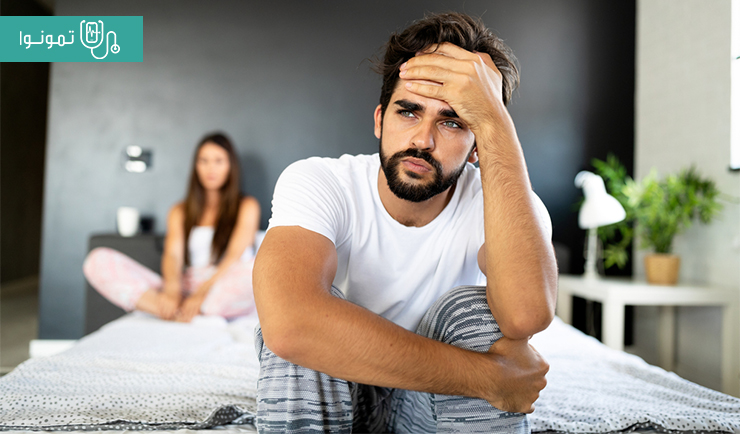



الامراض النفسية | احدث طروق علاج اضطراب نفسي
هل تشعر بالتعب النفسي وتبحث عن حل؟ علاج اضطراب نفسي هو الخطوة الأولى نحو استعادة حياتك الطبيعية. لا أحد منا معصوم من مواجهة تحديات نفسية قد تؤثر على جودة حياتنا اليومية، ولكن لا داعي للقلق، لأن هناك طرق فعّالة يمكنها مساعدتك في التغلب على هذه الاضطرابات. في هذا المقال، سنستعرض مجموعة من المعلومات الهامة حول الاضطرابات النفسية وأنواعها المختلفة، بالإضافة إلى طرق علاج الاضطراب النفسي المتاحة، فضلاً عن أسلوب الحياة والعلاجات المنزلية التي تساعد في علاج اضطراب نفسي بشكل فعال. تابع معنا لاكتشاف كيف يمكن أن تبدأ بداية جديدة مليئة بالأمل والتعافي.الاضطرابات النفسيةالاضطرابات النفسية هي مجموعة من الحالات التي تؤثر على التفكير، المشاعر، والسلوكيات. يمكن أن تكون هذه الاضطرابات مؤقتة أو طويلة الأمد، وقد تؤدي إلى تحديات كبيرة في الحياة اليومية. تشمل هذه الاضطرابات مشاكل مثل القلق، الاكتئاب، الفصام، اضطرابات الطعام، والوسواس القهري، وغيرها. تؤثر الاضطرابات النفسية على الأفراد بشكل مختلف، مما يستدعي علاجاً فردياً يتناسب مع نوع وشدة الحالة. ومع تزايد الوعي في المجتمع حول أهمية الصحة النفسية، أصبحت طرق علاج اضطراب نفسي متنوعة وتستهدف تحسين الحالة النفسية للفرد عبر أساليب مختلفة، تشمل العلاج النفسي والأدوية ودعم البيئة المحيطة.أنواع الاضطرابات النفسيةتتنوع الاضطرابات النفسية بشكل كبير وتؤثر على الأفراد بطرق مختلفة. إليك نظرة تفصيلية على بعض الأنواع الأكثر شيوعاً:اضطرابات المزاج يمر المريض في هذا النوع بفترات طويلة من الحزن الشديد والمستمر، أو يتنقل بين فترات من الحزن العميق وأخرى من السعادة المفرطة. من أبرز هذه الاضطرابات هو الاكتئاب واضطراب ثنائي القطب، حيث يؤثر كل منهما على الحياة اليومية للمريض بشكل كبير.اضطرابات القلق تعد من بين الأمراض النفسية الأكثر شيوعاً، حيث يعاني المريض من شعور مستمر بالخوف والقلق الذي لا يتناسب مع الواقع ولا يستطيع السيطرة عليه. تشمل اضطرابات القلق اضطراب القلق الاجتماعي واضطراب الهلع، حيث يمكن أن يتسبب كل منهما في تأثيرات سلبية كبيرة على حياة الشخص المهنية والاجتماعية.الاضطرابات الذهانية تؤثر هذه الاضطرابات على التفكير والإدراك، حيث يرى أو يسمع المريض أشياء غير موجودة (هلاوس) أو يعتقد بمعتقدات خاطئة (أوهام). من أشهر الأمثلة على هذه الاضطرابات هو الفصام، الذي يسبب تشوهاً في طريقة التفكير والشعور.اضطراب الأعراض الجسدية يعاني المريض في هذا النوع من الأعراض الجسدية مثل الألم، دون وجود سبب عضوي واضح لهذه الأعراض. يعتقد بأن هذه الأعراض تنتج عن مشاكل نفسية غير محلولة.الوسواس القهري يتميز هذا الاضطراب بوجود أفكار ومخاوف مستمرة تسيطر على عقل المريض، مما يدفعه لأداء طقوس معينة بشكل متكرر لمحاولة التخلص منها أو تقليل القلق المرتبط بها.اضطرابات الأكل تشمل هذه الاضطرابات سلوكيات تناول الطعام غير الصحية، مثل فقدان الشهية العصبي الذي يؤدي إلى تجنب تناول الطعام بشكل مفرط، أو نهم الطعام حيث يتناول الشخص كميات كبيرة من الطعام في فترة قصيرة.اضطراب التحكم في الاندفاع يفقد المريض القدرة على مقاومة بعض الدوافع القوية للقيام بأعمال ضارة مثل افتعال الحرائق أو السرقة، مما يؤثر على حياته وحياة من حوله بشكل كبير.الاضطرابات الجنسية تتضمن مشاكل متعلقة بالأداء الجنسي، مثل مشاكل الانتصاب، سرعة القذف، واضطراب النشوة الجنسية عند النساء، مما يمكن أن يؤثر على العلاقة الزوجية والحياة الجنسية بشكل عام.هذه الأنواع المتعددة من الاضطرابات النفسية تتطلب فهماً عميقاً وعلاجاً متخصصاً لمساعدة المرضى على التغلب عليها والعيش حياة أفضل.طرق علاج الاضطراب نفسي تتنوع طرق علاج اضطراب نفسي بناء تشخيص الحالة استشارة دكتور نفسي على نوع الاضطراب وشدته واحتياجات الشخص. فيما يلي بعض الطرق الأساسية المستخدمة في علاج الاضطرابات النفسية:الأدويةالأدوية المضادة للاكتئاب: تستخدم لعلاج اضطرابات مثل الاكتئاب والقلق وفقدان الأمل وسوء التركيز وفقدان الطاقة. هذه الأدوية لا تسبب الإدمان.الأدوية المضادة للقلق: تنقسم إلى نوعين؛ الأول يعمل على المدى الطويل مثل مضادات الاكتئاب، والثاني سريع المفعول لكنه قد يسبب الإدمان.الأدوية المُحسنة للمزاج: تُستخدم لعلاج اضطرابات مثل اضطراب ثنائي القطب، ويمكن أن تُستخدم مع مضادات الاكتئاب لعلاج الاكتئاب.الأدوية المضادة للذهان: تستخدم لعلاج اضطرابات مثل انفصام الشخصية، ويمكن أن تُستخدم مع مضادات الاكتئاب لعلاج الاكتئاب.العلاج النفسيالعلاج النفسي الديناميكي: يعتمد على افتراض وجود مشكلات مرتبطة بالمشاعر نابعة من الطفولة، ويهدف إلى حلها من خلال الحديث عن التجارب الشخصية. قد يستمر هذا العلاج من عدة أشهر إلى عدة سنوات.العلاج النفسي الشخصي: يهدف إلى تحسين علاقات الشخص مع محيطه وزيادة ثقته بنفسه، ويتم عادة خلال 3-4 أشهر. يمكن استخدامه مع علاج اضطراب نفسي الديناميكي لعلاج الاكتئاب الناتج عن فقدان عزيز أو صراع العلاقات أو تغيرات اجتماعية.العلاج السلوكي المعرفي: يركز على تحديد المفاهيم الخاطئة لدى الشخص ومحاولة تغيير تصوره عن نفسه والآخرين. يُعد مناسباً للأشخاص الذين يرفضون أو لا يستطيعون تناول أدوية مضادة للاكتئاب.علاجات تحفيز الدماغ: تستخدم هذه العلاجات بعد فشل الأدوية والعلاج النفسي في حل المشكلة. تشمل الصدمات الكهربائية أو تحفيز أعصاب الدماغ لعلاج اضطرابات مثل الاكتئاب.العلاج في مستشفيات الاضطرابات النفسية: بعض الحالات تتطلب العناية المكثفة في مستشفيات الاضطرابات النفسية بسبب فقدان السيطرة على الحالة في المنزل أو خوفًا من إيذاء الشخص لنفسه أو الآخرين. يمكن أن تتراوح مدة الإقامة من يوم واحد إلى إقامة طويلة.علاج التعاطي: في بعض الأحيان يرتبط التعاطي، مثل تعاطي الكحول أو بعض الأدوية، بالاضطرابات النفسية. إذا لم يستطع الشخص الإقلاع عن التعاطي بنفسه، يمكنه اللجوء إلى الطبيب للحصول على المساعدة.وبالتالي، هذه الطرق تقدم تفاصيل دقيقة عن كيفية التعامل مع الاضطرابات النفسية، وتبين أن كل حالة تتطلب نهجاً مخصصاً بناء على نوع وشدة الاضطراب.أسلوب الحياة والعلاجات المنزلية التي تساعد في علاج اضطراب نفسي بعد الانتهاء من مناقشة الطرق الطبية لعلاج الاضطرابات النفسية، سننتقل الآن إلى الحديث عن بعض العلاجات المنزلية التي يمكن أن تساهم في العلاج وتشمل:الالتزام بخطة العلاجيعد الالتزام بخطة العلاج التي يحددها الطبيب من أهم الخطوات لتحقيق التعافي. يجب تناول الأدوية في مواعيدها وعدم التوقف عن تناولها دون استشارة الطبيب، حتى لو شعر المريض بتحسن. كما يجب حضور جميع الجلسات العلاجية واتباع التعليمات المتعلقة بالعلاج النفسي.تجنب تعاطي الكحول والأدويةالكحول والأدوية الممنوعة يمكن أن تزيد من حدة الأعراض النفسية وتعيق عملية التعافي. يجب على المريض تجنبها تمامًا، والاستعانة بالدعم الطبي في حال وجود صعوبة في التخلص منها.ممارسة التمارين الرياضيةتلعب التمارين الرياضية دوراً كبيراً في تحسين الصحة النفسية. تساعد التمارين الرياضية على إفراز هرمونات السعادة مثل الإندورفين، مما يقلل من الشعور بالتوتر والاكتئاب. ينصح بممارسة التمارين بشكل منتظم، مثل المشي، الركض، أو اليوغا.المواظبة على نمط حياة صحيالحفاظ على نمط حياة صحي يمكن أن يساهم بشكل كبير في تحسين الحالة النفسية. يشمل ذلك:النوم لساعات كافية: يحتاج الجسم إلى فترة كافية من الراحة لاستعادة نشاطه والتعامل مع الضغوط النفسية. ينصح بالنوم لمدة تتراوح بين 7-9 ساعات يوميًا.تناول طعام صحي: التغذية السليمة تلعب دورًا كبيرًا في الصحة النفسية. يجب تناول وجبات متوازنة تحتوي على الفيتامينات والمعادن الضرورية مثل الفواكه، الخضروات، البروتينات، والكربوهيدرات المعقدة.تجنب اتخاذ القرارات المهمة أثناء وجود الأعراضعند وجود أعراض نفسية شديدة، قد لا يكون الشخص قادرًا على التفكير بشكل سليم. لذلك، ينصح بتجنب اتخاذ قرارات مهمة في هذه الأوقات مثل القرارات المالية أو المهنية الكبيرة. يمكن تأجيل مثل هذه القرارات حتى يصبح الشخص في حالة نفسية أفضل.تحديد الأولويات وتنظيم الوقتتنظيم الوقت وتحديد الأولويات يساعد في تقليل الضغط النفسي. يمكن استخدام تقنيات مثل كتابة المهام اليومية وترتيبها حسب الأهمية. هذا يساعد في إنجاز المهام بفعالية وتجنب الشعور بالإرهاق.وبالتالي، باتباع هذه الإرشادات والعلاجات المنزلية، يمكن تحسين الصحة النفسية والمساعدة في التعامل مع الاضطرابات النفسية بفعالية أكبر. لكن يجب دائمًا استشارة الأطباء والمتخصصين لضمان الحصول على الدعم وعلاج اضطراب نفسي المناسب. يمكنكم التعرف على المزيد من اهم المعلومات الطبية القيمة و المقالات المميزة فقط من خلال المدونة الخاصة بموقعنا tmoono .أسئلة شائعة حول علاج اضطراب نفسيكيف أعالج نفسي من الاضطرابات النفسية؟علاج اضطراب نفسي يتطلب استشارة مختص، العلاج النفسي، الأدوية، ممارسة الرياضة، وتحسين نمط الحياة.كيف أعرف أني أعاني من اضطراب نفسي؟إذا كنت تشعر بالحزن المستمر، القلق، التوتر، أو تغيرات في النوم والمزاج، قد تعاني.ما هو دواء الاضطرابات النفسية؟دواء الاضطرابات النفسية يشمل مضادات الاكتئاب، مضادات القلق، ومثبتات المزاج لتحسين الأعراض.هل يعالج الاضطراب النفسي؟نعم، علاج اضطراب نفسي يمكن معالجته باستخدام العلاج النفسي والأدوية ودعم أسلوب الحياة الصحي.في الختام، هل تعاني من اضطراب نفسي؟ لا داعي للقلق، فحل المشكلة بين يديك! من خلال علاج اضطراب نفسي مخصص لك، يمكنك استعادة توازنك النفسي والعيش بسعادة وراحة. لا تفوت الفرصة للحصول على الدعم الذي تحتاجه فقط مع مركز tmoono ، واتخذ خطوة نحو حياة أفضل الآن.
Show More Mental Health
Social Phobia | Causes of Social Phobia and How to Treat It
Have you ever wondered about the causes of social phobia and how it affects our daily lives? Social phobia may be one of the most disturbing psychological disorders for many, but at the same time it can be overcome by understanding its roots and dealing with its symptoms correctly. In this article, we will review together the causes that lead to this phobia, and how to recognize its symptoms and deal with them. If you are looking for effective solutions to overcome the causes of social phobia, get ready to embark on a journey to a deeper understanding of this problem and how to treat and confront a psychological disorder.After that, we will review social phobia, the causes of social phobia, the symptoms of social phobia, and tips for dealing with the causes of social phobia.Social phobiaSocial phobia is a mental disorder in which a person feels intense fear and excessive anxiety in social situations. This feeling results from the fear of being evaluated by others or from the fear of being in an embarrassing or humiliating situation. Sometimes, this fear can be so intense that it greatly affects a person’s daily life, to the point of abstaining from social or professional activities such as going to work or school.Currently, social phobia is considered part of social anxiety disorder, a newly classified type of anxiety disorder. Individuals with this disorder experience anxiety and dread of social situations that may be considered simple by others, such as meeting new people or speaking in front of an audience. However, this fear does not stop at big situations only, but can also include everyday situations such as waiting in public places or interacting with vendors while shopping.People with social phobia feel that their fear is irrational or exaggerated, but despite their awareness of this reality, they are unable to control or overcome it. This feeling of anxiety can lead to constant avoidance of social situations, which negatively affects their personal and professional lives.Causes of Social PhobiaSocial phobia is a psychological condition characterized by excessive fear of social situations, where a person suffers from anxiety and tension when faced with social challenges or is exposed to situations that require interaction with others. Although the specific cause of this disorder has not yet been precisely determined, scientists believe that a combination of genetic, biological, and environmental factors contribute to its occurrence.Genetic factorsStudies indicate that genes may play an important role in the development of social phobia. If a family member suffers from this disorder, the person may be more susceptible to it. Evidence suggests that genes responsible for controlling some biological processes may be linked to an increased risk of developing social phobia.Neurotransmitter imbalanceScientists believe that an imbalance in neurotransmitters in the brain may be one of the causes of social phobia. These neurotransmitters, such as serotonin, dopamine, and glutamate, play a major role in regulating mood and interaction with social situations. Any imbalance in the levels of these chemicals may lead to a weakened ability to deal with social situations and an increase in feelings of anxiety and tension.Amygdala OveractivityThe amygdala is an area of the brain responsible for processing emotions and emotional responses, especially those related to fear. In people with social phobia, there may be hyperactivity in the amygdala, leading to an exaggerated response to fear and anxiety in normal social situations. This response may make the person feel excessively tense and fearful in situations that do not pose a real threat.Environmental factorsIn addition to genetic and biological factors, environmental factors play a major role in increasing the likelihood of developing social phobia. The most prominent of these factors are:Exposure to traumatic events: such as the death of a loved one or being abused or assaulted. These painful experiences may lead to an accumulation of feelings of anxiety and fear that can affect mental health and increase the likelihood of developing social phobia.Bullying and social humiliation: Being bullied or humiliated in front of others in childhood or adolescence may lead to the development of feelings of helplessness and lack of self-confidence, which increases the feeling of fear in social situations.Family problems: An unstable family environment or suffering from problems within the family may contribute to increased stress and anxiety in a person, which creates the conditions for the development of social phobia.Exposure to chronic illness: Suffering from a long-term or chronic illness may lead to social isolation and exacerbate feelings of insecurity and tension in social interactions.Overprotective parenting style: Parents who overprotect their children or follow a controlling style may contribute to the development of social phobia in a child. This type of parenting can limit the child's ability to interact with the outside world in a normal way and increase their sensitivity to social situations.Shyness education: Children who are accustomed to shyness or withdrawal from social situations during their childhood are more likely to develop social phobia later in life.Thus, through these multiple factors, it becomes clear that the causes of social phobia are a complex disorder resulting from the interaction of several aspects of genetic, biological, and environmental factors that affect the individual and his psychological development.Symptoms of Social PhobiaSocial phobia is a psychological disorder in which a person feels excessive fear and anxiety towards social situations. Its symptoms can appear in different social situations, and may start before or even after the social event ends, and range between psychological, behavioral and physical symptoms.Psychological and behavioral symptoms of social phobiaTension and dread: A person with social phobia suffers from severe tension and fear of meeting or interacting with strangers, and may find it difficult to talk to them.Extreme caution: A person feels constant fear of being embarrassed or criticized, which makes this one of the causes of social phobia and avoids interacting or presenting himself in social situations.Fear of being noticed: A person with social phobia feels afraid that others will notice his tension and anxiety.Shyness and embarrassment: The person suffers from a severe feeling of shyness and embarrassment in front of others, even in simple daily situations.Fear of judgment by others: A person fears that others will judge him, which contributes to exacerbating feelings of anxiety.Tension before the event: A person may suffer from feelings of anxiety and fear for days or weeks before any social event.Avoiding social situations: The affected person prefers to avoid social situations or any situations that may cause anxiety and fear.Difficulty in building relationships: The affected person has difficulty establishing or maintaining social relationships and friendships.Stuttering and difficulty in eye contact: Stuttering may appear in speech or difficulty in maintaining eye contact with others.Panic attacks: Some individuals suffer from severe panic attacks while in social situations.Low self-confidence: The person suffers from low self-confidence and feels constant blame towards himself, which is one of the causes of social phobia.Physical symptoms of social phobiaBlushing: Anxiety causes the face to turn red due to blood flow.Excessive sweating: The person with social phobia suffers from excessive sweating due to tension.Tremors: The person may feel tremors in his hands or body as a result of anxiety.Rapid heartbeat: The person suffers from an acceleration in his heartbeat as a result of tense feelings.Feeling nauseous: Some individuals feel nauseous or have an upset stomach during social situations.Dizziness and vertigo: Some people feel dizzy as a result of psychological stress.Difficulty speaking: The person has difficulty speaking or stuttering during conversations.Confusion and difficulty concentrating: The person has difficulty concentrating or making decisions due to excessive anxiety.Symptoms of social phobia in childrenSocial phobia in children can appear in the form of different social reactions, such as:Excessive crying: in social situations that cause them anxiety.Tantrums: They show severe emotions such as anger when interacting with others.Clinging to parents: Children refuse to be separated from their parents in social situations.Freezing: The child may freeze in place and cannot interact.Avoidance of speaking: The child avoids speaking in different social situations.Causes of Sudden Social PhobiaSocial phobia may be sudden due to a person being exposed to painful or frustrating situations in the past, such as being ridiculed or publicly criticized, or due to previous experiences that led to strengthening feelings of fear and tension. Genetic factors and the surrounding environment may contribute to the development of this disorder.Social phobia testA person can take a simple test to determine if he suffers from social phobia, such as assessing the level of stress and anxiety in certain social situations, and if the symptoms affect daily life, it may be necessary to consult a specialist.Symptoms of mild social phobiaIn mild cases, a person may suffer from non-excessive stress, but may find it difficult to interact with others or may avoid some simple social situations, without these symptoms significantly affecting his daily life.Is social phobia a mental illnessYes, social phobia is considered a mental disorder that affects a person's ability to interact socially normally. This disorder can be temporary or chronic, and needs treatment to reduce its impact on daily life.Causes of Social PhobiaSocial phobia may arise as a result of several reasons, including genetic factors, home upbringing, painful or negative experiences in previous social situations, or exposure to psychological stress and ongoing anxiety.Symptoms of Social PhobiaSymptoms of social phobia vary between individuals, but they are similar in feeling fear, tension, and anxiety in social situations, in addition to the physical and psychological symptoms mentioned above.Causes of Social AnxietySocial anxiety occurs due to a group of factors such as fear of criticism or social rejection, previous painful experiences, or feelings of insecurity about oneself in social contexts.Thus, the causes of social phobia can appear in many forms, and its symptoms vary according to each individual case, and dealing with it may require specialized treatment strategies to ensure symptom relief and better adaptation to social situations.Tips for dealing with the causes of social phobiaHere are some tips from a psychologist that can help deal with the causes of social phobia and alleviate its symptoms in more detail:Practicing relaxation exercises regularlyRelaxation exercises such as yoga, deep breathing, and guided imagery help reduce anxiety and stress levels, which contributes to calming the mind and body. These exercises can be practiced at the beginning of the day or before facing difficult social situations, to renew mental and physical energy.Dividing difficult situations into small stepsSometimes, complex social situations can be a source of anxiety. Therefore, it is useful to divide these situations into small parts that can be dealt with gradually. For example, if you feel nervous when speaking in large gatherings, try starting with smaller situations such as talking to one person or interacting in small groups.Changing negative thinking patternsSocial phobia reinforces negative thoughts such as I will be the center of attention or I will make a mistake. These thoughts can be confronted by challenging them and replacing them with positive thinking. For example, replace the thought “I will forget what I want to say” with the thought “I will have time to think about my speech while listening to others.”Reduce stimulantsCaffeine and other stimulants can increase anxiety and stress. Try to reduce or avoid drinking caffeinated beverages such as coffee and black tea, especially when there are upcoming social situations.Regulate your sleep timeGetting enough sleep is essential to improving your ability to cope with anxiety on a daily basis. Try to establish a regular sleep routine that helps you relax and mentally rejuvenate, such as avoiding screens before bed and reading a quiet book.Exercise and eat a healthy dietExercise is one of the best ways to relieve stress, as it promotes the release of happy hormones such as endorphins. Eating a balanced diet also helps to improve overall mental health.Educate yourself about social anxiety disorderReading and information can help you understand the causes of social anxiety and motivate you to find better solutions. You may feel relieved after knowing that there are many people who face this problem, which may reduce the feeling of isolation.Join a support groupGroups that bring people together can be Those who suffer from the same problem are an important source of support. In these groups, you can talk freely with others, exchange experiences and advice on how to deal with social situations.Therefore, by following these guidelines regularly, you can also get psychological counseling by communicating with tmoono, the best psychological counseling center, you can improve your psychological state and reduce the impact of social phobia on your daily life.Frequently asked questions about the causes of social phobiaHow does a social phobia patient think?A social phobia patient thinks about fear of negative judgment and rejection in social situations.Is social phobia a psychological or mental illness?Social phobia is a psychological disorder that affects social interaction and dealing with social situations.Does social phobia indicate a weak personality?Social phobia does not indicate a weak personality, but rather a psychological disorder that can be treated with treatment and support.How do I know that I suffer from a phobia?You suffer from a phobia if you feel extreme fear and tension in social situations or in front of others.You can learn more about the most important valuable medical information and distinctive articles only through the blog of our website tmoono. Do you know the causes of social phobia? This condition affects many in their daily lives. From low self-confidence to previous negative experiences, the factors can be multiple. Understanding these causes is the first step towards overcoming them. Explore treatment methods and get rid of these psychological obstacles now!
Show More Mental Health
مقالة جديدة من مطور البرنامج
مقالة جديدة من مطور البرنامج
Show More Mental Health
Occaecat officia ut
هناك حقيقة مثبتة منذ زمن طويل وهي أن المحتوى المقروء لصفحة ما سيلهي القارئ عن التركيز على الشكل الخارجي للنص أو شكل توضع الفقرات في الصفحة التي يقرأها. ولذلك يتم استخدام طريقة لوريم إيبسوم لأنها تعطي توزيعاَ طبيعياَ -إلى حد ما- للأحرف عوضاً عن استخدام "هنا يوجد محتوى نصي، هنا يوجد محتوى نصي" فتجعلها تبدو (أي الأحرف) وكأنها نص مقروء. العديد من برامح النشر المكتبي وبرامح تحرير صفحات الويب تستخدم لوريم إيبسوم بشكل إفتراضي كنموذج عن النص، وإذا قمت بإدخال "lorem ipsum" في أي محرك بحث ستظهر العديد من المواقع الحديثة العهد في نتائج البحث. على مدى السنين ظهرت نسخ جديدة ومختلفة من نص لوريم إيبسوم، أحياناً عن طريق الصدفة، وأحياناً عن عمد كإدخال بعض العبارات الفكاهية إليها هناك حقيقة مثبتة منذ زمن طويل وهي أن المحتوى المقروء لصفحة ما سيلهي القارئ عن التركيز على الشكل الخارجي للنص أو شكل توضع الفقرات في الصفحة التي يقرأها. ولذلك يتم استخدام طريقة لوريم إيبسوم لأنها تعطي توزيعاَ طبيعياَ -إلى حد ما- للأحرف عوضاً عن استخدام "هنا يوجد محتوى نصي، هنا يوجد محتوى نصي" فتجعلها تبدو (أي الأحرف) وكأنها نص مقروء. العديد من برامح النشر المكتبي وبرامح تحرير صفحات الويب تستخدم لوريم إيبسوم بشكل إفتراضي كنموذج عن النص، وإذا قمت بإدخال "lorem ipsum" في أي محرك بحث ستظهر العديد من المواقع الحديثة العهد في نتائج البحث. على مدى السنين ظهرت نسخ جديدة ومختلفة من نص لوريم إيبسوم، أحياناً عن طريق الصدفة، وأحياناً عن عمد كإدخال بعض العبارات الفكاهية إليها
Show More Mental Health